Simulation-Based Veterinary Dental Training
Build Confidence Before Working with Patients
I believe the best learning happens through hands-on practice. That's why I offer simulation-based veterinary dental training using high-fidelity canine and feline models that allow veterinary teams to develop practical skills in a realistic, low-stress learning environment.
Simulation-based learning provides an excellent alternative to cadaver-based training for many topics while giving participants the opportunity to practice techniques repeatedly, ask questions, and build confidence before applying those skills in clinical practice.
Whether your team is new to veterinary dentistry or looking to refine advanced techniques, these models help bridge the gap between theory and patient care.
Rootus Maximus
High-Fidelity Canine Dental Training Model
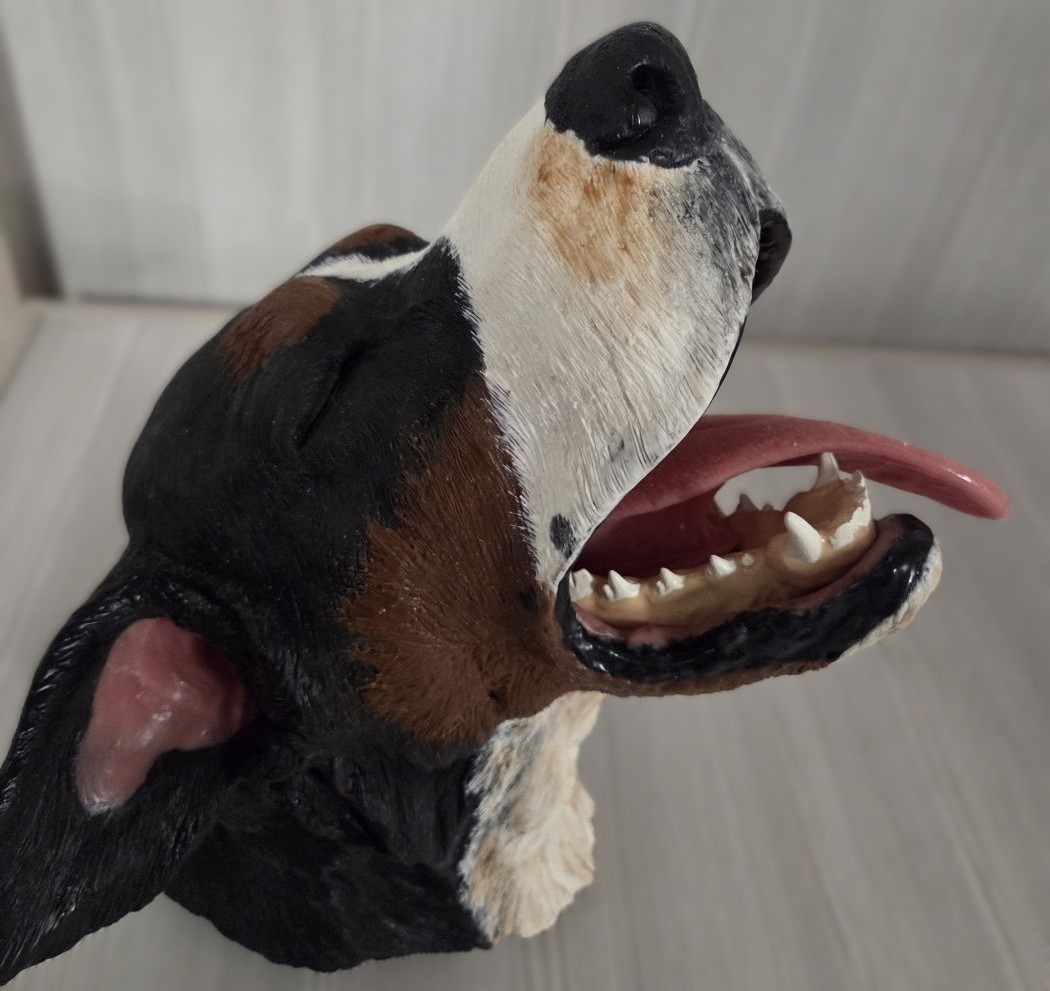
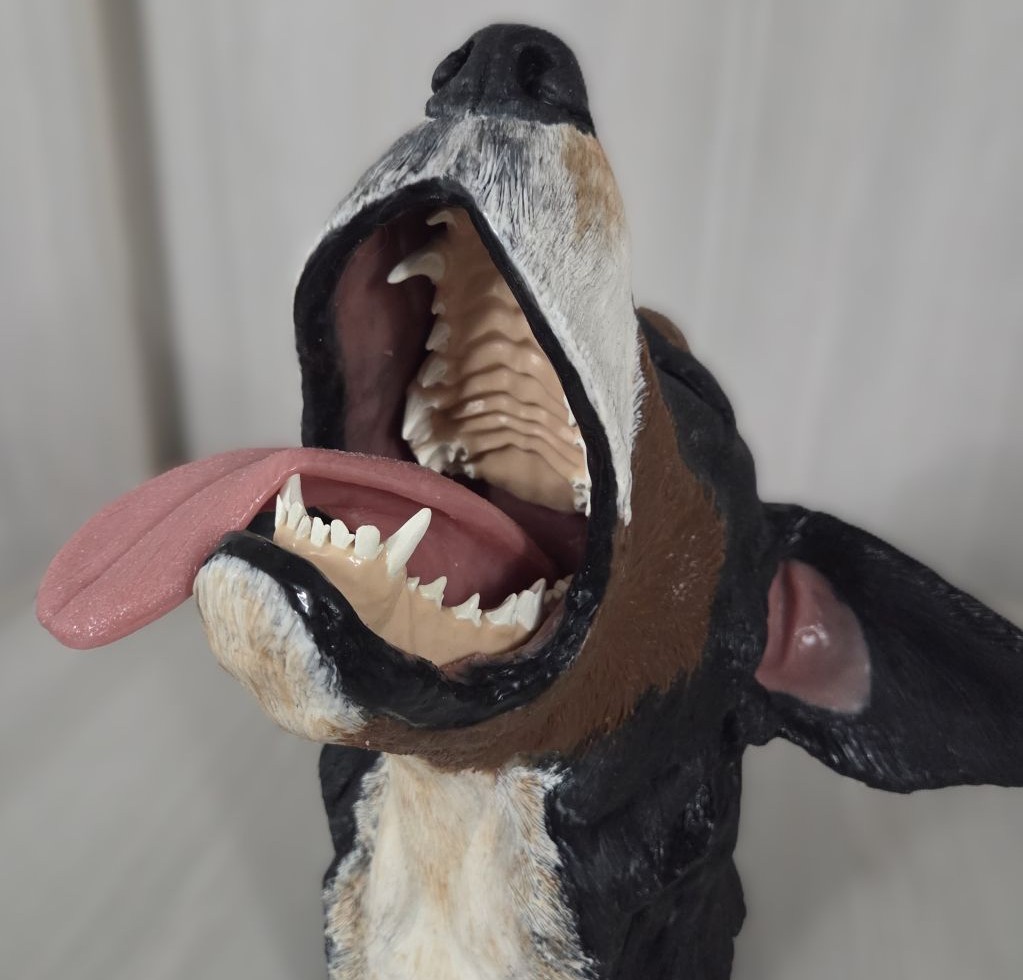
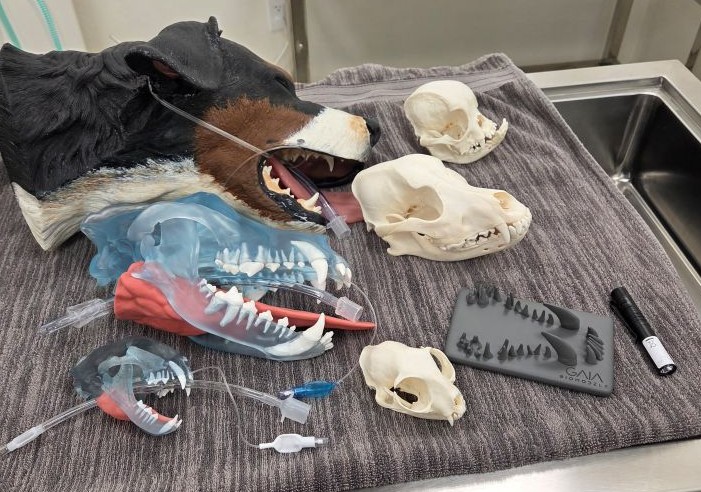
Meet Rootus Maximus ("Max") — my realistic canine dental simulation head designed specifically for hands-on veterinary dental education.
Max provides a practical and engaging learning experience that closely resembles working with an anesthetized patient and can be incorporated into a variety of continuing education sessions.
Training applications include:
- Dental intraoral radiography
- Intraoral nerve block techniques
- Dental charting
- Ergonomics and technique during dental scaling and polishing
Max allows participants to develop confidence and muscle memory before transitioning to live patients, creating a safe and supportive learning environment.
Radiography Models
Betty (Canine) & Domino (Feline)
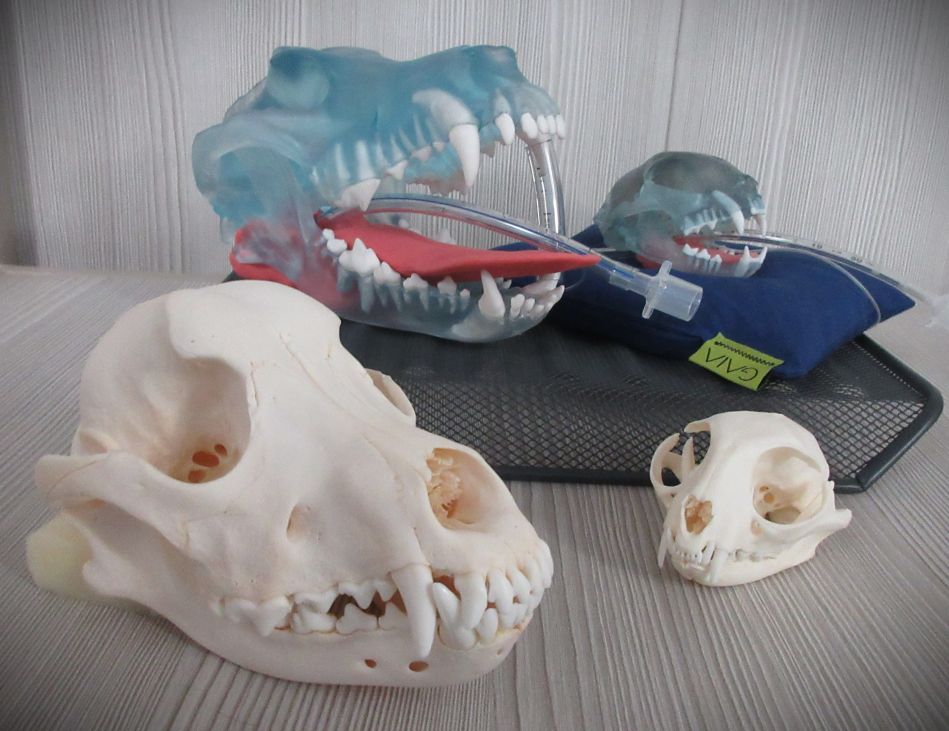
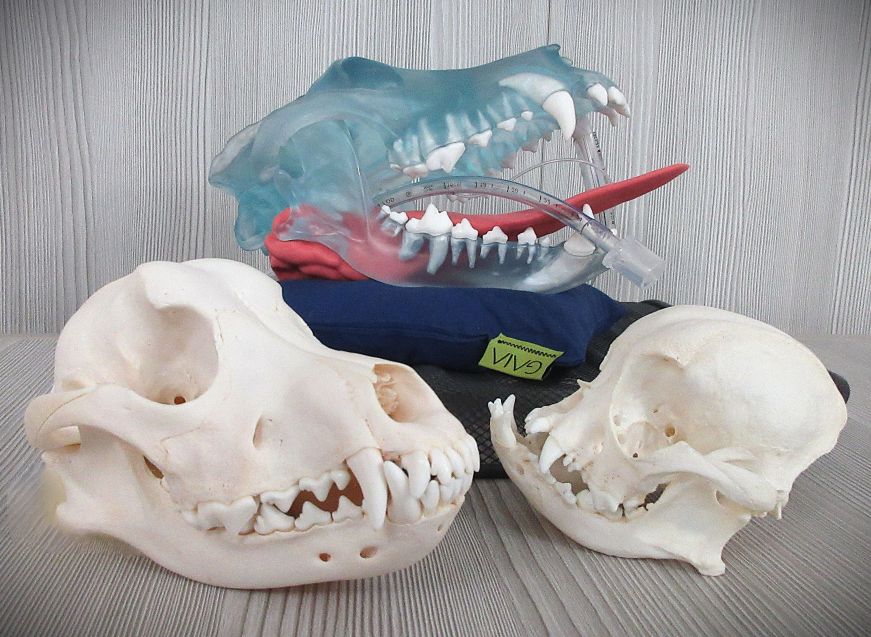
To support dental radiography education, I also utilize Betty, the canine radiography model, and Domino, the feline radiography model from GAIA Biomodels.
These innovative models are designed to closely mimic intubated patients while allowing learners to visualize both the external and internal anatomy of every tooth.
Because the roots are visible through the transparent skulls, participants gain a deeper understanding of:
- Tooth anatomy
- Root orientation
- Sensor placement
- Tube head positioning
- Bisecting angle technique
Combining this visual understanding with hands-on radiography allows learners to develop confidence more quickly and consistently produce high-quality diagnostic images.
Anatomical Teaching Models
To further enhance learning, training sessions also incorporate anatomical skull models.
Available models include:
- Normal occlusion canine skull
- Normal occlusion feline skull
- Brachycephalic canine skull
These models provide an excellent opportunity to compare anatomical differences between species and skull conformations while improving understanding of dental anatomy and radiographic positioning.
Understanding the Bisecting Angle Technique
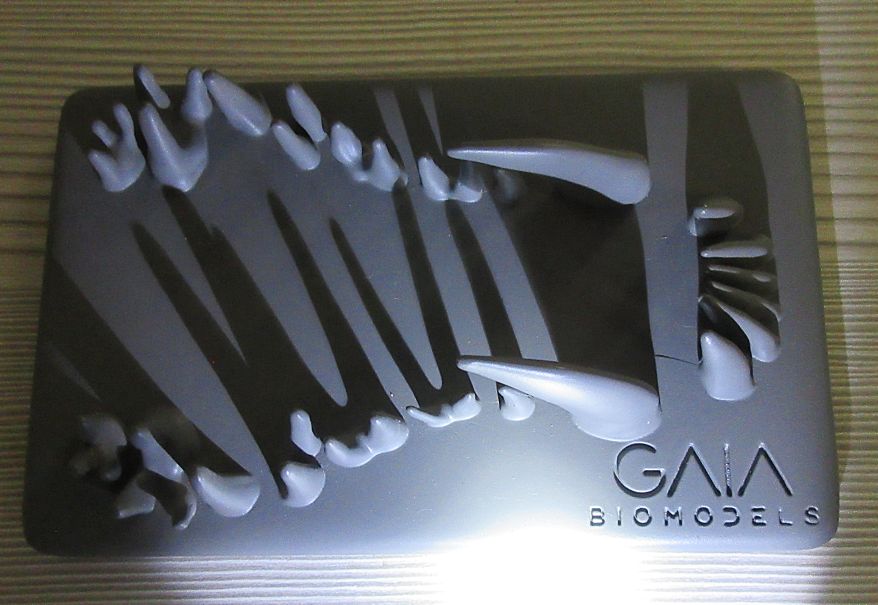
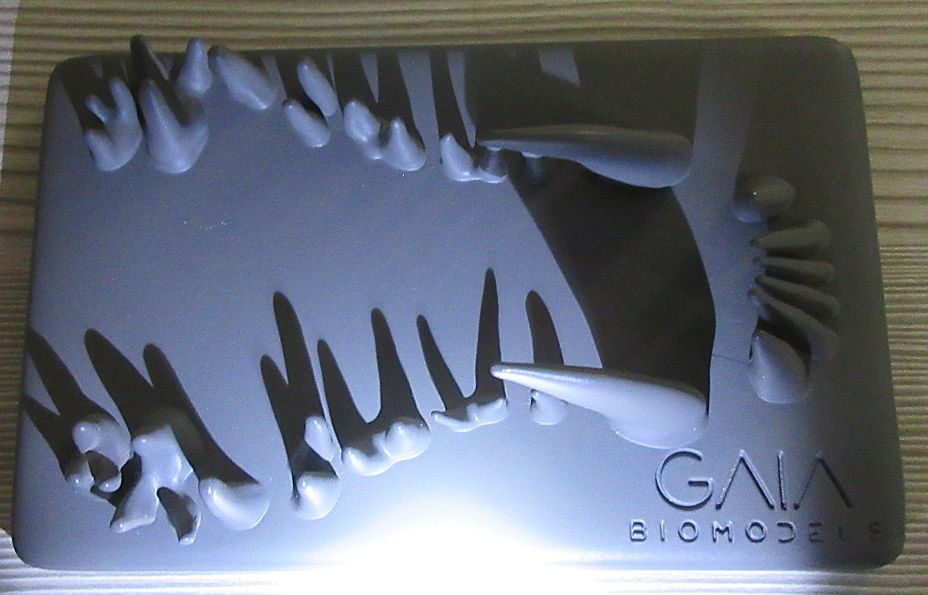
One of the most challenging concepts in veterinary dental radiography is mastering the bisecting angle technique.
To simplify this concept, training includes a specialized shadow demonstration model that visually illustrates how changes in X-ray beam angulation affect the final radiographic image.
This interactive teaching aid helps learners understand the theory behind radiography before applying those principles with the radiography models and clinical equipment.
Why Simulation-Based Learning?
Simulation-based learning offers many advantages for veterinary teams:
- Build confidence before working with patients
- Practice techniques repeatedly in a low-stress environment
- Improve efficiency with patient positioning and dental workflow
- Improve radiography positioning and diagnostic quality
- Strengthen understanding of dental anatomy
- Reduce time spent troubleshooting during patient procedures
- No cadavers required for many training topics
- Training delivered in your clinic using your own equipment
- Suitable for both introductory and advanced learners
- Support more efficient procedures, helping minimize anesthetic time for patients
Every training session is customized to your clinic's experience level and learning goals, ensuring your team receives practical education they can immediately apply in practice.
Ready to Bring Simulation-Based Learning to Your Clinic?
Whether you're looking to improve dental radiography, introduce nerve blocks, strengthen charting skills, or build confidence in comprehensive oral health assessments, simulation-based training offers an engaging and effective way to help your team succeed.